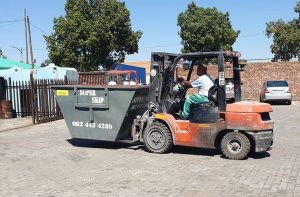
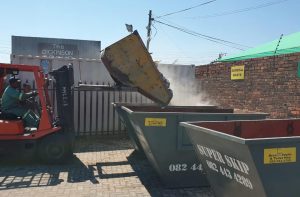
Skip hire services in Vereeniging
Skip hire services in Vereeniging



Reliable skip hire services in Vereeniging give households, contractors and businesses a practical way to manage bulky waste without making repeated trips to a disposal facility. A skip can be delivered to the property, filled over an agreed period and collected once the job is complete.
The right service depends on more than finding an available bin. Waste type, expected volume, site access and placement all affect which skip will work best. Superskip provides skip bin hire across the Vaal Triangle, including Vereeniging, Vanderbijlpark, Sasolburg and Meyerton. This guide explains what to consider before requesting a quote.
What are skip hire services used for?
Skip bins are suited to projects that produce more waste than standard household or business bins can accommodate. They keep loose material in one place and make collection easier at the end of a clean-up, renovation or maintenance project.
Common uses for skip hire in Vereeniging include:
- Clearing unwanted household items during a move or property clean-out
- Removing garden refuse after pruning or landscaping
- Managing rubble and offcuts from alterations or renovations
- Collecting packaging and general waste during commercial projects
- Keeping construction and maintenance sites tidier
- Removing waste from offices, workshops and rental properties
A skip is not automatically suitable for every material. Chemicals, asbestos-containing products, batteries, liquids, medical waste and other hazardous substances often require specialist handling. Always describe the waste accurately when requesting a quote, especially if it includes industrial material, contaminated items or products that are difficult to identify.
How to choose the right skip bin
Choosing a skip based only on price can lead to extra collections, wasted capacity or a bin that cannot be positioned safely. Consider the following points before booking.
Estimate the volume of waste
Think about the waste after it has been dismantled or broken down, not only the space it occupies before the project begins. Old cupboards, branches, packaging and furniture can take up considerable room if they are placed in the bin without being flattened or cut into manageable sections.
For a small room clean-out or minor garden project, a compact option may be sufficient. Building alterations, complete property clearances and ongoing commercial work generally produce a larger volume. If the estimate falls between two options, discuss the project with the hire company instead of guessing. The nature of the material also matters because dense rubble becomes heavy long before a skip filled with lighter household items.
Identify the waste stream
Separating materials can make a project easier to manage and may affect the recommended service. Garden waste, general household rubbish and building rubble have different weights and disposal requirements. Mixing unidentified substances into a general waste skip can create problems at collection or disposal.
Tell the provider if the load will contain soil, concrete, bricks, tiles, timber, metal, green waste or mixed general rubbish. For an overview of available options, visit Superskip’s skip bin hire services page.
Check access before delivery
A delivery vehicle needs enough space to approach the site, position the skip and leave safely. Measure narrow entrances and check for low branches, carports, gates, overhead cables and parked vehicles. Soft lawns, steep surfaces and unstable ground are generally poor placement areas, particularly once the bin becomes loaded.
Vereeniging includes established residential neighbourhoods as well as busy commercial and industrial areas. Access conditions can differ significantly between a suburban driveway and a workshop yard. Street activity, security entrances and limited turning space need to be mentioned before delivery.
Where should a skip be placed?
The best position is a firm, level and accessible surface on the property. A driveway, paved area or suitable yard often works better than soil or grass. The location must allow people to load the bin without carrying heavy material further than necessary, while still leaving room for collection.
Before confirming placement, check that the skip will not:
- Block vehicles, gates, emergency routes or pedestrian access
- Stand beneath low cables, trees or roof overhangs
- Damage paving that is not designed for heavy loads
- Obstruct neighbours or public traffic
- Prevent the collection vehicle from reaching the bin
If the only possible location is on a pavement, verge or public road, ask the relevant local authority about permission and placement requirements before delivery. Requirements can depend on the exact location and how public access will be affected. Do not assume that a skip can be left in a public area simply because there appears to be enough space.
What affects the cost of skip hire in Vereeniging?
Skip hire quotes are usually influenced by the bin required, the waste being removed, the delivery location, hire period and collection arrangements. Heavy or specialised material can involve different handling considerations from light general waste.
Provide complete information when asking for a price. A useful quote request includes:
- The delivery address and suburb
- A clear description of the waste
- The approximate quantity or scale of the project
- The preferred delivery and collection dates
- Details of gates, restricted access or unusual placement conditions
- Whether the project is residential, commercial or construction-related
Ask what the quoted amount covers and whether any weight, filling, hire-period or prohibited-material conditions apply. This is more useful than comparing headline prices without knowing what is included.
Skip hire compared with taking waste away yourself
Self-hauling can make sense for a few small items that fit safely in a suitable vehicle. It becomes less efficient once a project generates repeated loads. Fuel, travel time, loading and unloading all need to be considered, along with finding an appropriate facility for each waste type.
A hired skip allows waste to be collected as work progresses. This can reduce clutter around a renovation or clean-up and avoids leaving piles that have to be handled again later. It is particularly useful when tradespeople, maintenance teams or several household members are working on the same site.
There are still situations where a skip is not the correct option. Hazardous materials require the correct specialist service, while a very small load may not justify a bin. Accurate advice starts with an honest description of what needs to be removed.
How the skip hire process works
- Describe the project: Explain what you are clearing, where the property is and how much waste you expect.
- Confirm acceptable materials: Check that each waste type can go into the selected skip.
- Choose a suitable option: Match the bin to the volume, weight and available placement area.
- Prepare the site: Open gates, move vehicles and clear overhead or ground-level obstructions before delivery.
- Load the skip safely: Distribute material evenly and keep all waste within the bin’s boundaries.
- Arrange collection: Ensure the vehicle can access the skip and that no new obstructions have appeared.
Do not overfill a skip or allow items to project above or beyond its sides. Loose objects can shift during lifting and transport. Avoid climbing into the bin to compress waste, and keep children and unauthorised people away from it.
Mistakes that can delay a collection
One of the most common errors is underestimating the amount of waste. Ordering too little capacity can interrupt the job and require another collection. Poor placement is another problem: a bin that is easy to reach while empty can become difficult to retrieve after vehicles, building materials or equipment are positioned around it.
Other avoidable mistakes include adding prohibited substances, mixing dense rubble into a load without discussing it, filling beyond the permitted level and failing to disclose a narrow entrance. A short, detailed conversation before delivery is usually the simplest way to prevent these issues.
Frequently asked questions about skip hire services in Vereeniging
How far in advance should I book a skip?
Book as soon as the project dates are reasonably certain, especially if the bin is needed for a renovation, contractor schedule or property handover. Availability can vary, so provide preferred dates and ask what alternatives are possible.
Can building rubble and household waste go into the same skip?
That depends on the service and the quantities involved. Rubble is much denser than typical household waste and can affect safe loading. Describe every material before booking so the provider can advise on an appropriate option.
Can a skip be delivered if my property has limited access?
Possibly, but the access conditions need to be assessed first. Provide gate measurements and details of corners, slopes, overhead obstructions and the proposed surface. Photographs can also help explain a difficult site, although final suitability still depends on safe vehicle access.
Arrange skip hire with Superskip
Good waste removal starts with the correct bin, a safe placement area and clear information about the load. Superskip supplies skip bin hire in Vereeniging and across the wider Vaal Triangle, helping residential, commercial and project customers organise practical waste collection.
Tell the team what you need to remove, where the skip must be delivered and when your project starts. Contact Superskip for a skip hire quote and discuss the most suitable option for your Vereeniging property.